

Evaluating the design, construction, and maintenance standards behind roadway incidents.
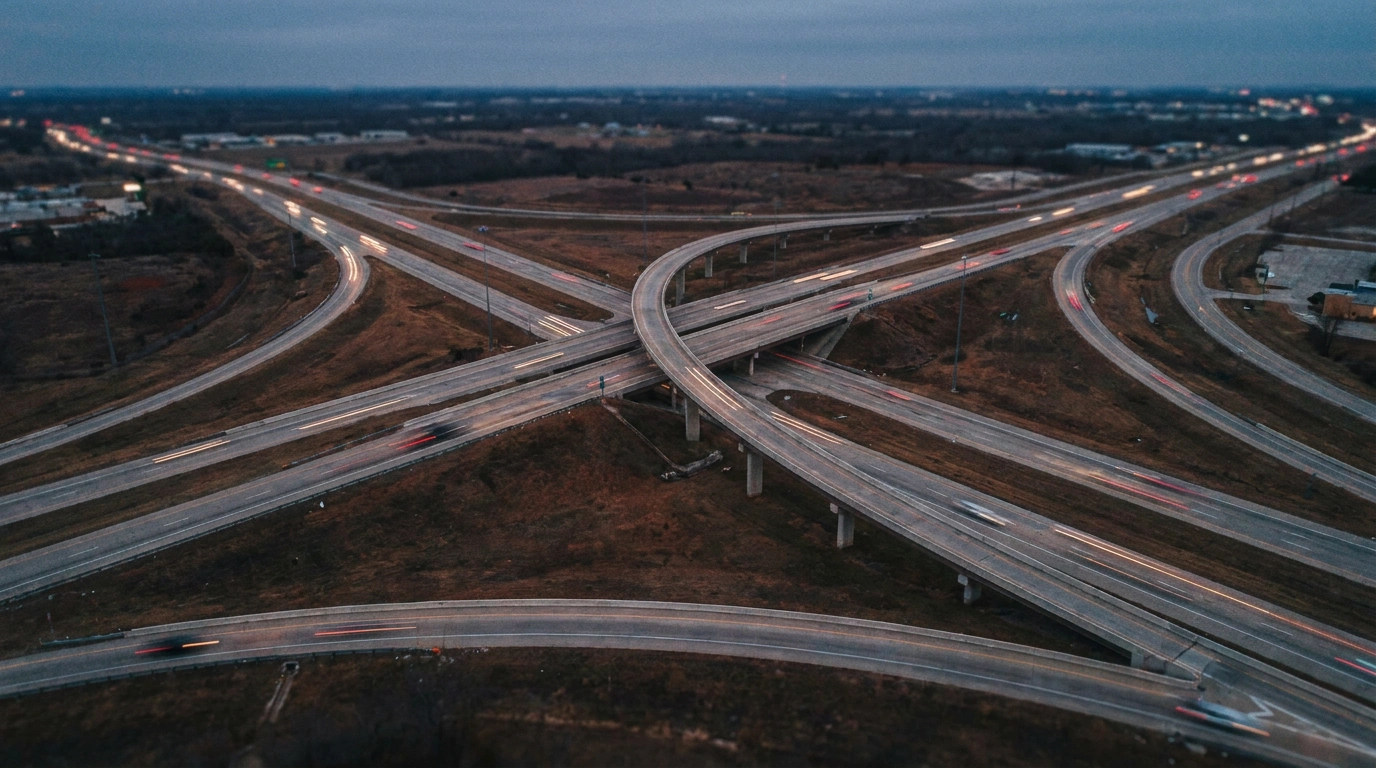
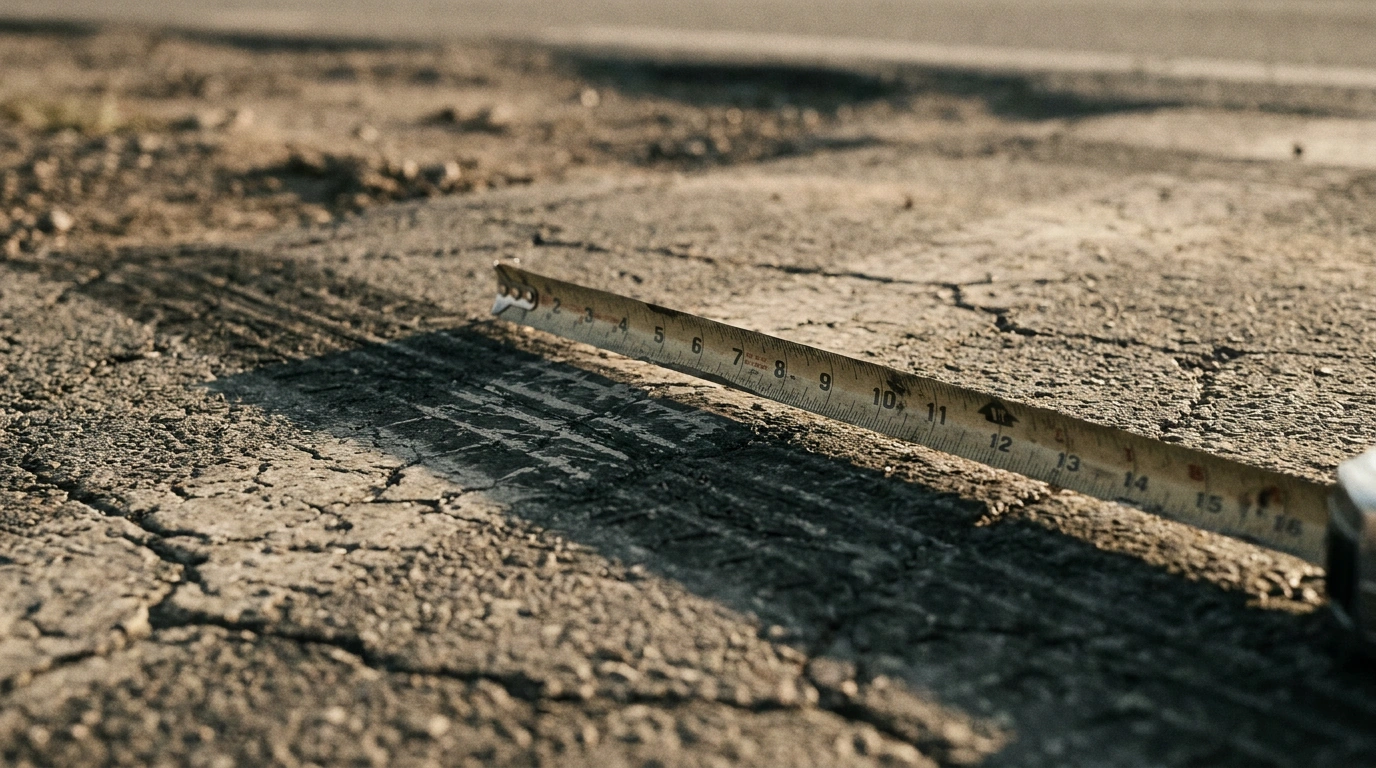
Registered traffic and civil engineers evaluating roadway design, construction, and maintenance standards in accident cases.
Traffic Engineering brings the science of how roads are designed and how vehicles and drivers interact with that design. Typically, the interface with tort claims involves how Traffic Control features such as Signals, Pavement Delineation, Signs, Guardrail, and Crash Cushions may have been a factor in a specific crash.
Additionally, we evaluate roadway geometry—including sight lines, drainage, curvature, and clear recovery zones—against the governing design standards and maintenance requirements.
Construction zone fatalities, bridge hazards, railroad crossing collisions, and bicycle, pedestrian, or crosswalk incidents where roadway design may be a contributing factor. Every crash involves three elements, the driver, the vehicle, and the road itself, and roughly 90% of automobile accidents trace back to operator or operational factors. Our job is determining whether this one belongs in that 90%, or whether the road played a real part.
Our traffic engineers are Registered Civil and Traffic Engineers with decades of experience in highway and roadway design and operations, dating back to 1967. We evaluate the reasonableness of roadway designs against historical design standards and verify whether features were constructed according to signed plans by engineers with discretionary authority.
This involves digging into the design history of an accident site to identify signed As-Built plans, analyzing the accident history at the location to determine if any correctable patterns exist, and synthesizing the physical evidence clearly so it holds up in court.
Forensic Traffic Engineering Overview
Traffic Engineering brings the science of how roads are designed and how vehicles and drivers interact with that design. Typically, the interface with tort claims involves how Traffic Control features such as Signals, Pavement Delineation, Signs, Guardrail, and Crash Cushions may have been a factor in a specific crash.
Additionally, the geometry of the roadway can also play a role. Issues such as Sight lines, Drainage, Curvature, and Clear recovery zones are frequently evaluated.
The reasonableness of the designs are evaluated by determining if the roadway features were constructed according to signed plans by Engineers with Discretionary Authority to do so. This involves digging into the design history of an accident site to identify As-Built plans with the required signatures. The reasonableness of the design is also checked against the Design Standards of the day.
The Traffic Engineer also evaluates the accident history at a location to determine if any correctable patterns exist. The objective of Forensic Traffic Engineering is to explain the physical evidence clearly and in a way that will hold up in court.
Yes. Roadway geometry, sight distance, traffic control devices, signage, lighting, and maintenance conditions may contribute to collision risk.
Yes. We regularly work with cities, counties, state agencies, and other public entities alongside private litigation counsel. Our engineers provide objective forensic evaluations, collision investigations, and roadway design analysis for municipal risk management and public agency defense.