

Determining whether the forces at play could actually cause the injury being claimed.
Biomechanical analysis of injury causation for auto accidents, slip and falls, and defective product claims, backed by 45+ years of trial experience.
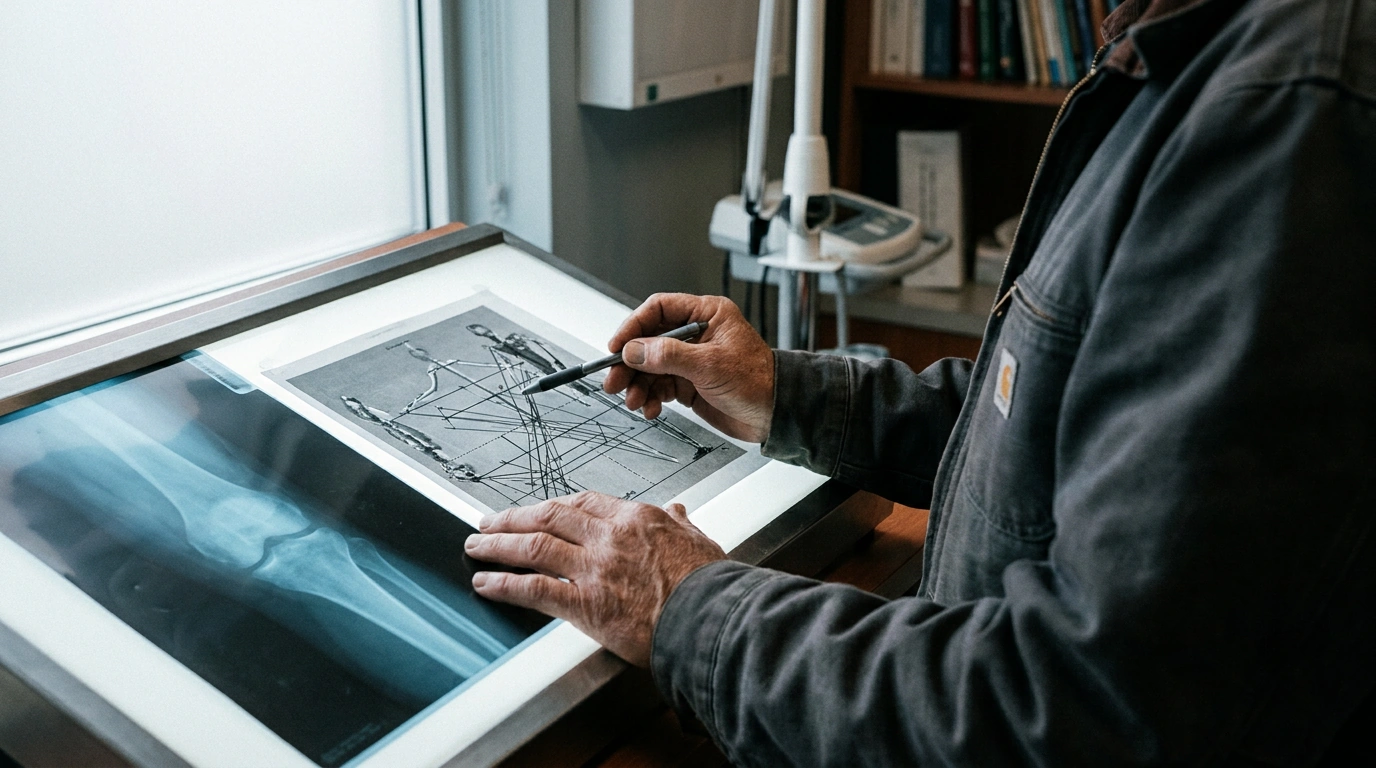
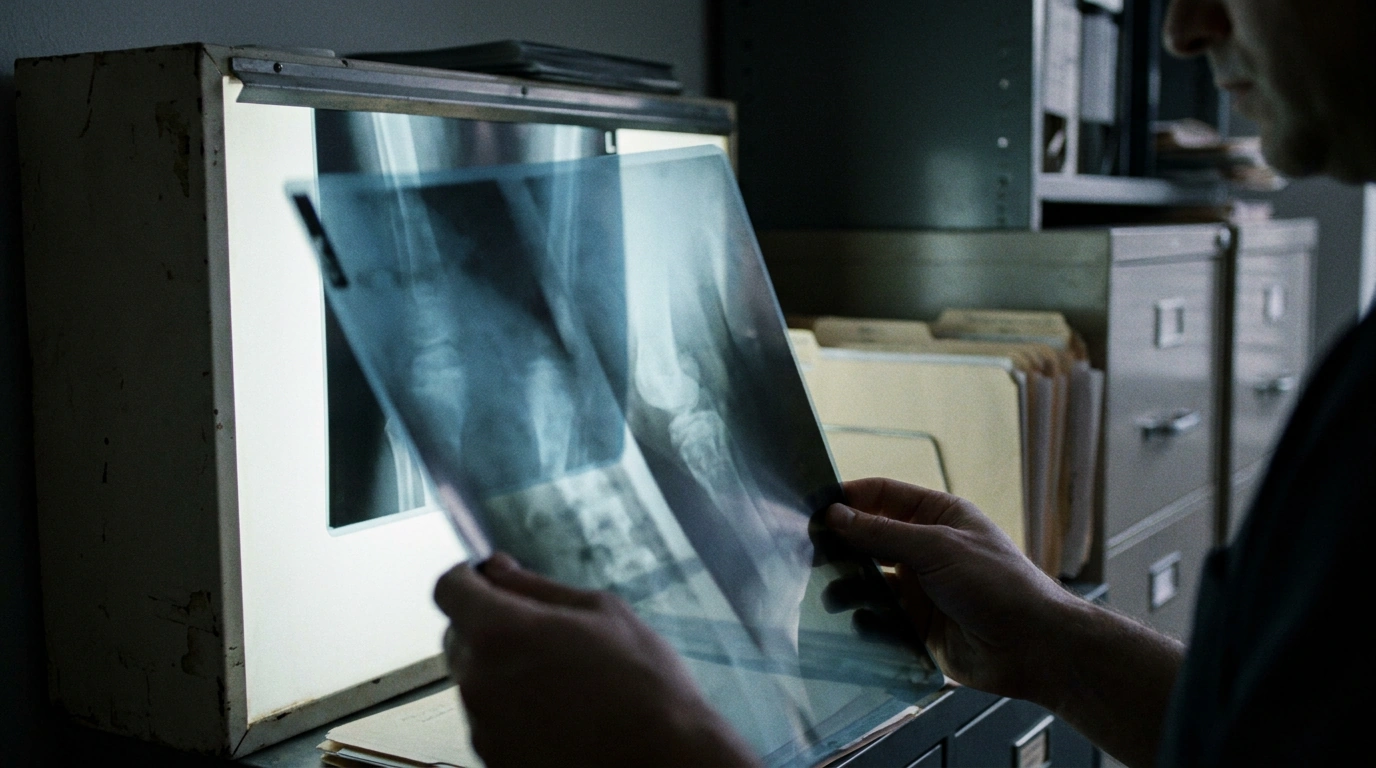
We analyze the internal and external forces acting on the body to determine whether, and how severely, they caused a specific injury. That means understanding the physiological and mechanical properties involved, how much force it actually takes to tear cartilage, strain a tendon, or injure soft tissue, not just the accident dynamics around it.
When injury causation is disputed, when an insurer questions whether an accident could plausibly have caused the claimed injury, or when a case depends on connecting a specific mechanism of injury to a specific event. Common in slip, trip and fall claims, low-speed rear-end impacts, cumulative trauma disorder cases, and defective implant litigation.
We calculate the impact forces involved, from gravity, seatbelt restraints, bumpers, or the collision itself, and evaluate the relationship between those forces and the injury's cause and severity. This draws on physics, biomedical and biomechanical engineering, and the accident reconstruction itself, since the two questions are rarely separable: you can't credibly explain the injury without first establishing the event that caused it.
[PLACEHOLDER: real case scenario from Michael]
Do you work independently or alongside a reconstruction? Both. Biomechanical analysis is often most persuasive paired with the reconstruction itself, and our team handles both under one engagement when needed.
What kinds of injuries have you evaluated? [PLACEHOLDER: confirm a representative list with Michael beyond what's already on the current site]