

Reconstructing how a collision happened, one piece of evidence at a time.
Forensic accident reconstruction using scene inspection, EDR downloads, and 3D scanning. Trial-tested since 1967, with 24-hour emergency response.
We determine how an accident happened and identify what caused it, from the vehicle collisions you'd expect (cars, motorcycles, trucks, bicycles, buses, tractor-trailers) to less obvious cases involving forklifts, cable cars, and elevators or escalators.
The analysis can take in vehicle speed, impact dynamics, driver response, visibility, roadway conditions, and any mechanical factors that contributed to the collision.
When fault is disputed, when witness accounts conflict with the physical evidence, or when a case will turn on establishing exactly how a collision occurred, and whether the physics actually support one side's version of events.
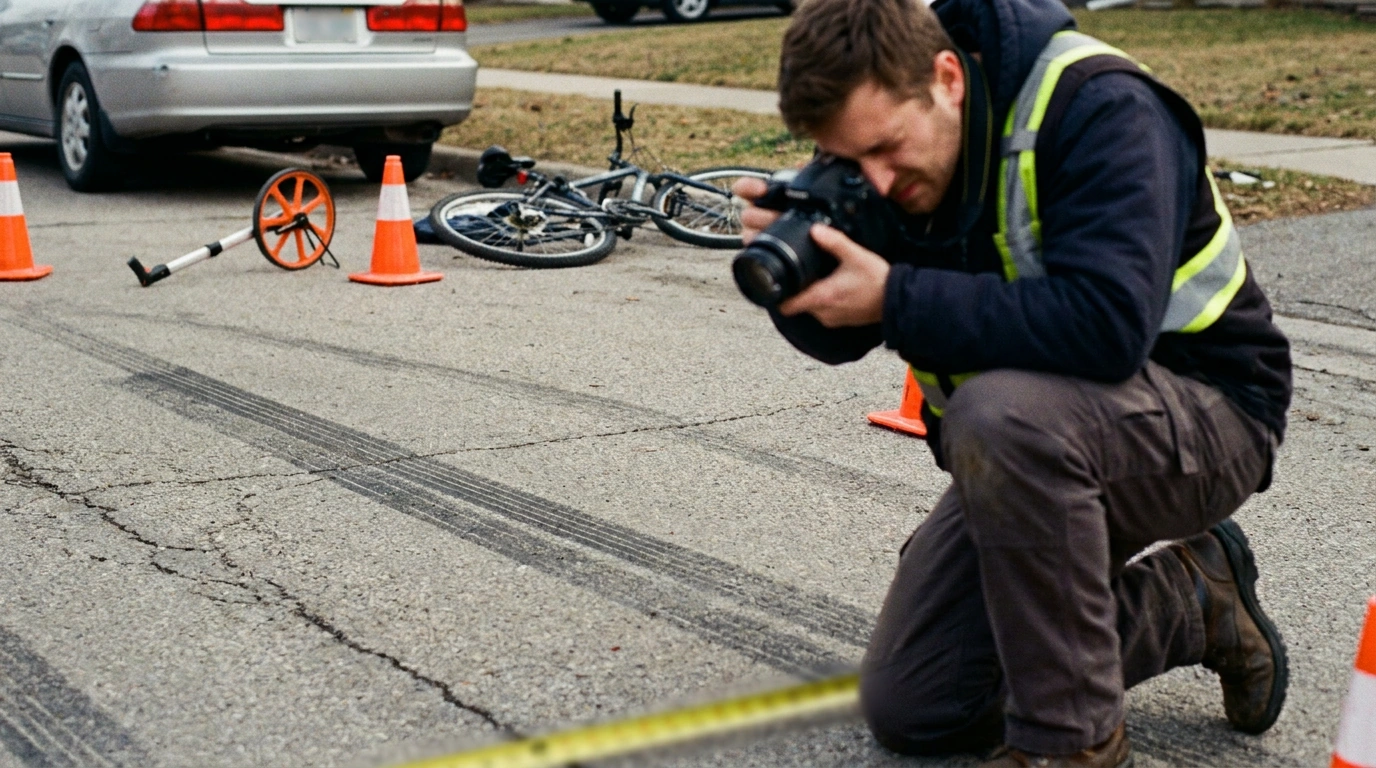
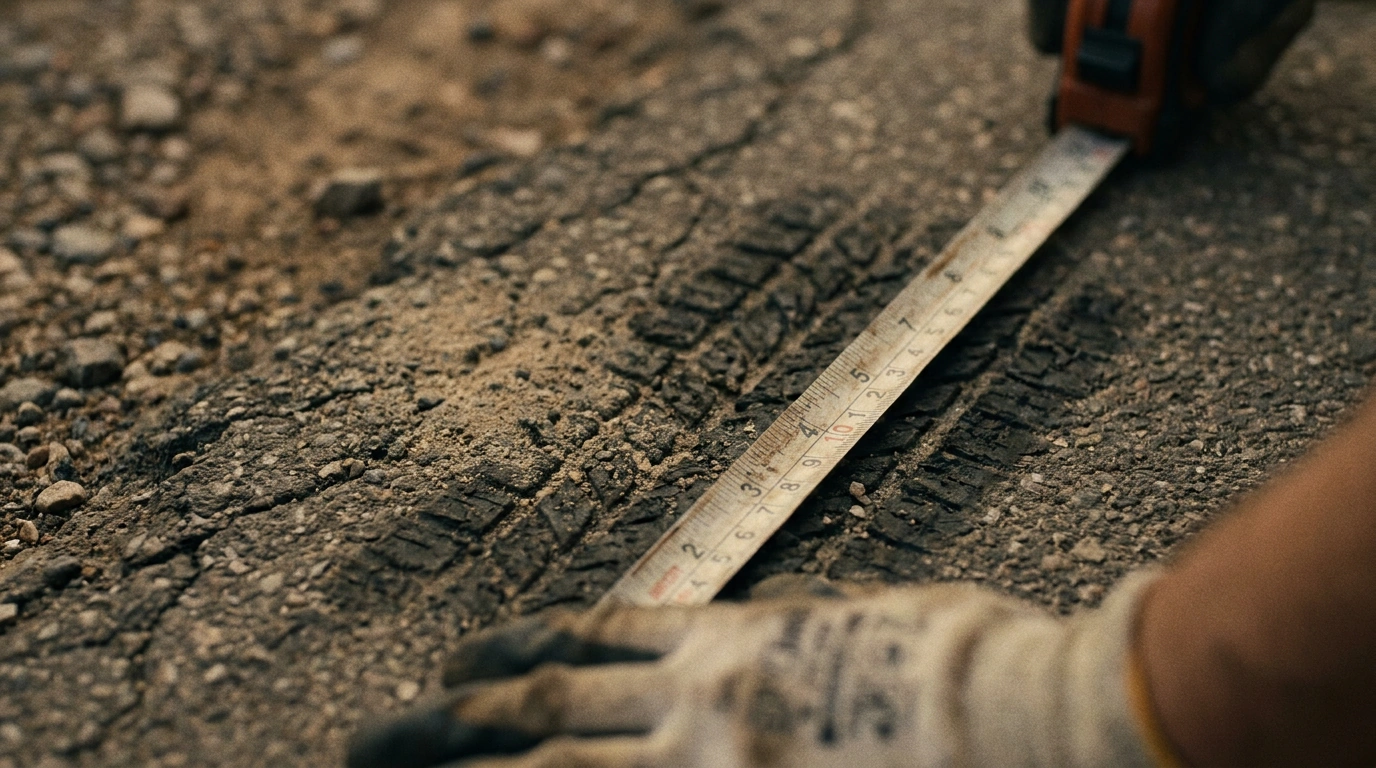
We gather everything: skid mark measurements, scene photos, Event Data Recorder downloads, and physical evidence from the vehicles themselves, seatbelts, tires, airbags, inspected in detail. Witness statements matter less than what the physics say. We apply momentum, impulse, velocity, drag factor, coefficient of restitution, and Delta-V calculations to reconstruct what actually happened, then translate that into 3D animation a jury can follow in minutes rather than hours of testimony.
The goal is findings that attorneys, insurance professionals, and the courts can follow and rely on, however technical the underlying evidence.
How this differs from product liability. Accident reconstruction asks how the collision occurred and what physical and environmental factors contributed to it. Product liability asks whether a product, component, or mechanical system failed, and if so, why. When a mechanical failure may have played a part in a crash, both specialties can work together on a single, comprehensive investigation.
Representative example, not a specific engagement.
Determining collision dynamics through physical evidence
In a disputed intersection collision involving conflicting driver accounts, forensic reconstruction may involve examining vehicle damage, roadway evidence, electronic vehicle data, photographs, and witness testimony. Using accepted engineering principles, investigators can evaluate vehicle speeds, impact configurations, driver actions, and collision sequences. The objective is to develop a scientifically supported understanding of how the collision occurred and identify factors relevant to causation.
How soon should you call? As soon as possible after an incident. Physical evidence and vehicle data degrade quickly, and our 24-hour emergency response exists for exactly this reason.
Has your work held up under scrutiny? In more than 45 years and 1,300-plus trials, no BK&A expert has ever been disqualified based on their qualifications.
How many trials has your team testified in? Over 1,300 combined, across more than 45 years.